If you’re considering straightening your teeth but don’t like the idea of traditional braces, Invisalign may be the solution you’re looking for. Using a series of custom-made clear aligners, Invisalign gradually moves your teeth into their ideal positions without the need for metal brackets or wires.
Invisalign has become one of the most popular orthodontic treatments for adults and teenagers who want a discreet, comfortable way to improve their smile. Every treatment plan is tailored to the individual, making it suitable for a wide range of alignment concerns, from mild crowding and spacing to more complex bite issues.
In this guide, we’ll explain how Invisalign works, the types of orthodontic problems it can treat, what the treatment process involves, and what to expect throughout your journey. While every smile is different and an assessment is needed to determine whether Invisalign is right for you, this guide will give you a clear understanding of what treatment involves.
What Is Invisalign?
Invisalign is a clear aligner system that straightens your teeth using a series of custom-made, removable plastic trays. Unlike traditional braces, Invisalign doesn’t rely on metal brackets or wires. Instead, each aligner is designed to gently move your teeth into their planned positions.
Your treatment involves wearing each set of aligners for around one to two weeks before progressing to the next set in the series. Every aligner makes small, carefully planned movements, gradually improving the position of your teeth until your treatment is complete.
Invisalign aligners are made from SmartTrack® material, a proprietary thermoplastic developed specifically for orthodontic treatment. According to Align Technology, the company behind Invisalign, this material was selected after extensive research and testing to provide a precise fit and deliver gentle, consistent forces that help move teeth predictably and comfortably.
How Do Clear Aligners Work?
Invisalign works by applying gentle, controlled pressure to your teeth. This pressure stimulates the bone and supporting tissues around each tooth, allowing the teeth to gradually move into their planned positions. Rather than moving all at once, each aligner is designed to make small, precise adjustments before you progress to the next tray in the series.
Before treatment begins, your dentist will perform a comprehensive assessment, including a digital scan of your teeth. Unlike traditional impressions, digital scanning is fast, comfortable and provides a highly accurate 3D model of your smile.
Using specialised treatment planning software, your dentist maps out the movement of each tooth from start to finish. This allows your aligners to be custom-made for your teeth and, in many cases, lets you preview a digital simulation of your expected result before treatment even begins. While the simulation provides a good indication of the planned outcome, your final result will depend on factors such as your individual biology and wearing your aligners as instructed.
What Can Clear Aligners Treat?
Invisalign is most effective for mild to moderate alignment problems, including:
- Crowding – teeth that overlap or are rotated due to limited space
- Spacing – gaps between teeth
- Overbite – upper teeth that sit too far over the lower teeth
- Underbite – lower teeth that sit in front of the upper teeth
- Crossbite – upper teeth that sit inside the lower teeth
- Open bite – front teeth that don’t meet when the back teeth are together
- Orthodontic relapse – teeth that have shifted after previous orthodontic treatment
More complex cases, such as severe crowding or significant jaw discrepancies, may be better suited to traditional braces or a combination of treatments. An assessment is therefore important to determine which approach will give you the best result.
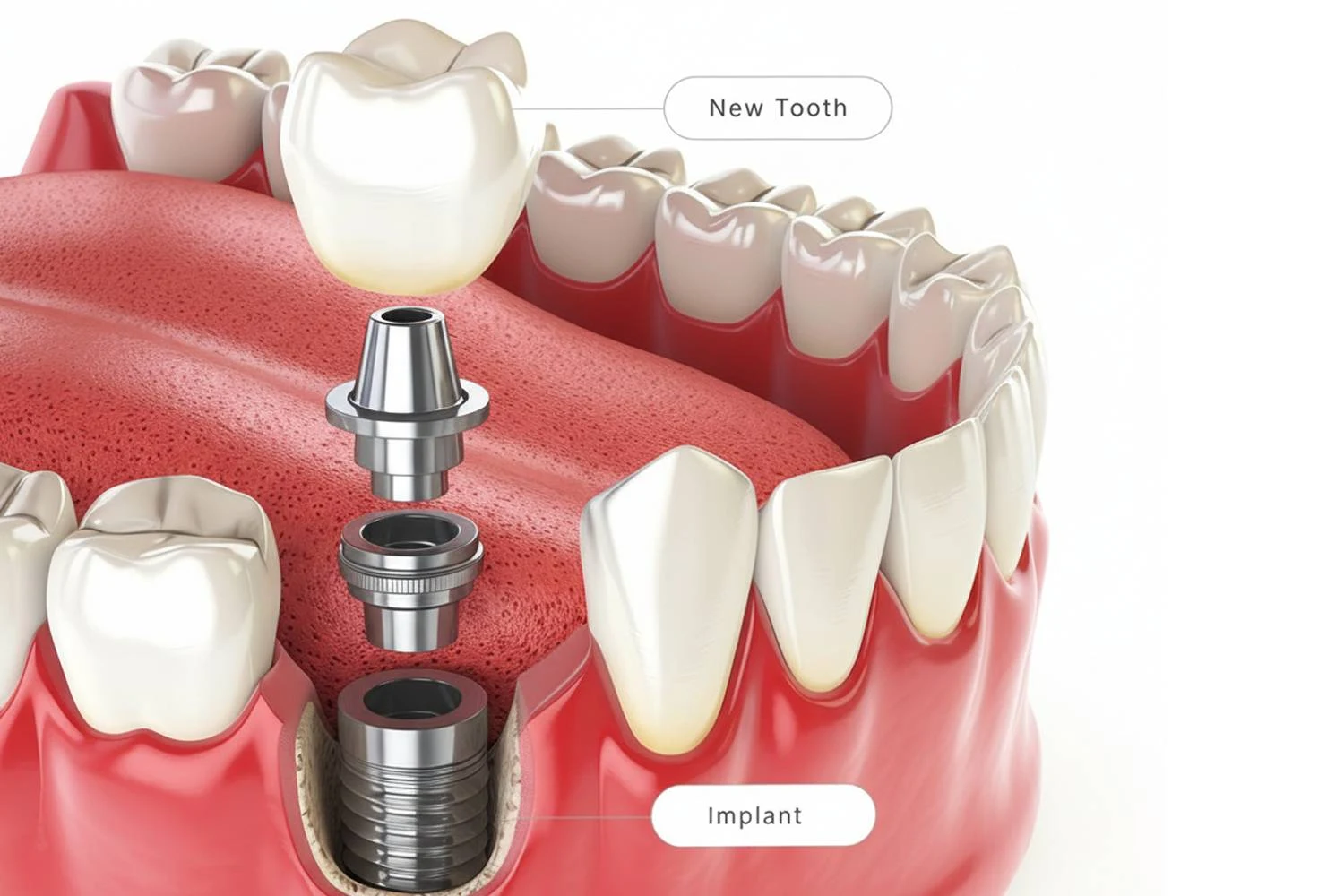
Having crowns, bridges or dental implants doesn’t necessarily prevent you from having Invisalign. While implants cannot be moved, they can be incorporated into your treatment plan. This is why your dentist needs to assess your individual teeth, bite and existing dental work before recommending treatment.
Invisalign vs Braces
Both Invisalign and traditional braces work by applying controlled pressure to gradually move your teeth. The biggest difference is what treatment looks and feels like day to day.
Invisalign aligners are clear and removable, so you can take them out to eat, drink anything other than water, and brush and floss normally. There are no food restrictions once your aligners are out, although the aligners themselves need to be worn for around 20 to 22 hours a day to work effectively.
Braces, on the other hand, remain fixed to your teeth throughout treatment. This means you don’t need to remember to wear them, but you’ll need to be more careful with certain hard or sticky foods and take extra care when brushing and flossing around the brackets and wires.
There is also a difference in appearance. Invisalign is generally much less noticeable, while traditional braces use brackets and wires that are more visible, although ceramic braces can offer a more discreet alternative.
Ultimately, neither option is better. The right choice depends on the complexity of your case, your lifestyle and how realistic it is for you to commit to wearing aligners consistently. During your assessment, we’ll help you understand which option is most likely to give you a predictable result.
The Treatment Process
Every Invisalign treatment plan is different, but the overall process is fairly straightforward.
It starts with a thorough assessment of your teeth and bite. This usually includes photographs, digital scans and a discussion about what you’d like to change. Your dentist can then use digital planning software to map out how your teeth are expected to move and show you a preview of the proposed result, along with the treatment time and cost.
Once you approve the plan, your aligners are made and your treatment can begin. Depending on your case, small tooth-coloured attachments may be placed on some teeth to help the aligners guide specific movements.
You’ll generally change to a new set of aligners every one to two weeks, as directed by your dentist, and have regular review appointments to check your progress and make any adjustments needed. Most people are reviewed every six to ten weeks, although this can vary depending on your treatment.
Day to day, your main job is simply to wear your aligners for around 20 to 22 hours a day. They should be removed for eating, drinking anything other than water, and brushing your teeth. You’ll also need to clean your aligners regularly with cool or lukewarm water and a soft toothbrush. Avoid hot water, as it can distort the plastic.
Once your teeth have reached their planned positions, you’ll move into the retention phase. Retainers help prevent your teeth from gradually shifting back, so wearing them as instructed is an important part of protecting your result.
Treatment Timeline
Treatment time depends on the complexity of your case. Mild crowding or spacing can sometimes be treated in around six months, while more complex cases may take 18 months or longer.
Your dentist will give you an estimated treatment time based on your individual needs, but how consistently you wear your aligners also matters. For Invisalign to work effectively, aligners need to be worn for around 20 to 22 hours a day. Missing wear time regularly can extend treatment or affect the final result.
The goal isn’t simply to finish treatment quickly, but to achieve a stable, predictable result that works for your teeth and your lifestyle.
Is Invisalign Right for You?
Invisalign may be worth considering if you have mild to moderate crowding, spacing or bite concerns and would prefer a more discreet alternative to traditional braces.
The biggest consideration is whether you can commit to wearing your aligners for around 20 to 22 hours a day and removing them for eating, drinking anything other than water, and brushing your teeth. Your existing dental work, including crowns, bridges or implants, also needs to be assessed as part of the treatment planning process.
Ultimately, there isn’t a one-size-fits-all answer. Your dentist will consider your teeth, bite, oral health and treatment goals to determine whether Invisalign, braces or another approach is most suitable.
Cost is also an important part of the decision. We offer flexible payment plans to help make treatment more manageable.
Getting Started
Invisalign is one of several options for straightening teeth, and whether it’s right for you depends on your bite, your goals and your ability to commit to the daily routine.
The best way to find out is with a proper assessment. Your dentist can look at your teeth, discuss what you’d like to change and explain which treatment options are likely to give you the best result.
If you’re in Melbourne’s north-west and considering clear aligners, the team at Taylors Lakes Dental House can talk you through your options and create a treatment plan tailored to your needs. You can also learn more about Invisalign or get in touch to book a consultation.
FAQs
How long does Invisalign treatment usually take?
Treatment time depends on the complexity of your case. Simpler cases may take around six months, while more complex cases can take 18 months or longer. Your dentist will give you an estimated timeline based on your individual treatment plan.
Will I need to wear retainers after Invisalign?
Yes. Retainers help keep your teeth in their new positions after treatment. Without them, teeth can gradually shift over time. Your dentist will recommend a retainer schedule to help maintain your result.
Can I get Invisalign if I have crowns, fillings or implants?
Often, yes. Existing dental work can usually be incorporated into your treatment plan. Implants cannot be moved, so their position needs to be considered when planning your tooth movements. Your dentist can assess whether Invisalign is suitable for you.
Is Invisalign treatment uncomfortable?
It’s normal to experience some pressure or mild tenderness when you start a new aligner. This usually settles within a few days as your teeth adjust.
How much does Invisalign cost?
The cost depends on the complexity of your case and the treatment required. Your dentist can provide an accurate estimate after assessing your teeth and creating a treatment plan. Flexible payment plans may also be available to help spread the cost.